
The five highest paved passes in the Alps
A ranked list of the five highest fully paved mountain passes in the Alps, with elevations, approach details, and what to expect at the top.
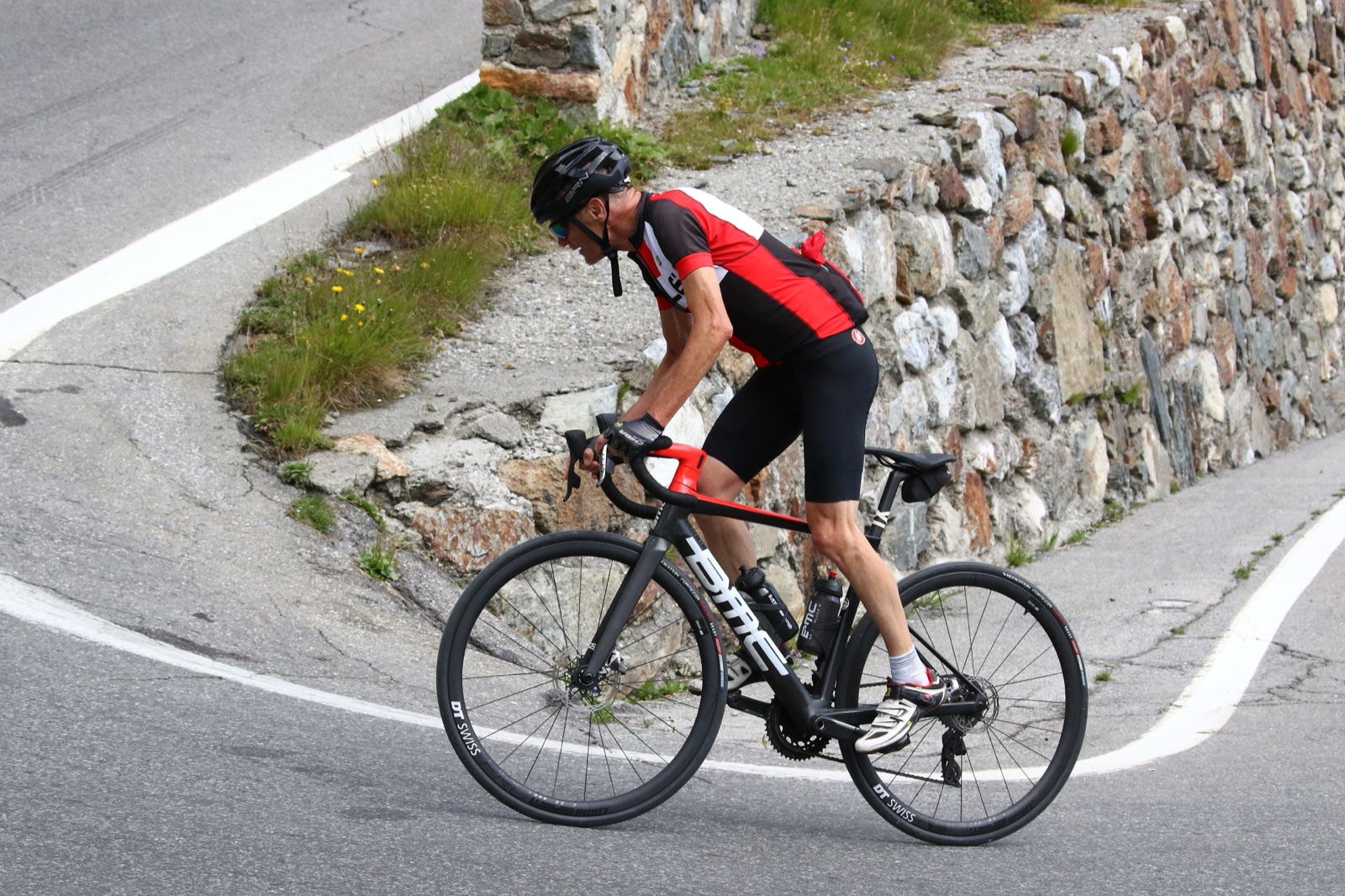
Everyone has a different list. Some count military roads behind locked gates. Some count gravel tracks that happen to reach a signpost. Here are the five highest passes in the Alps where you can actually ride a road bike, or drive a car, on continuous public paved road to the summit.
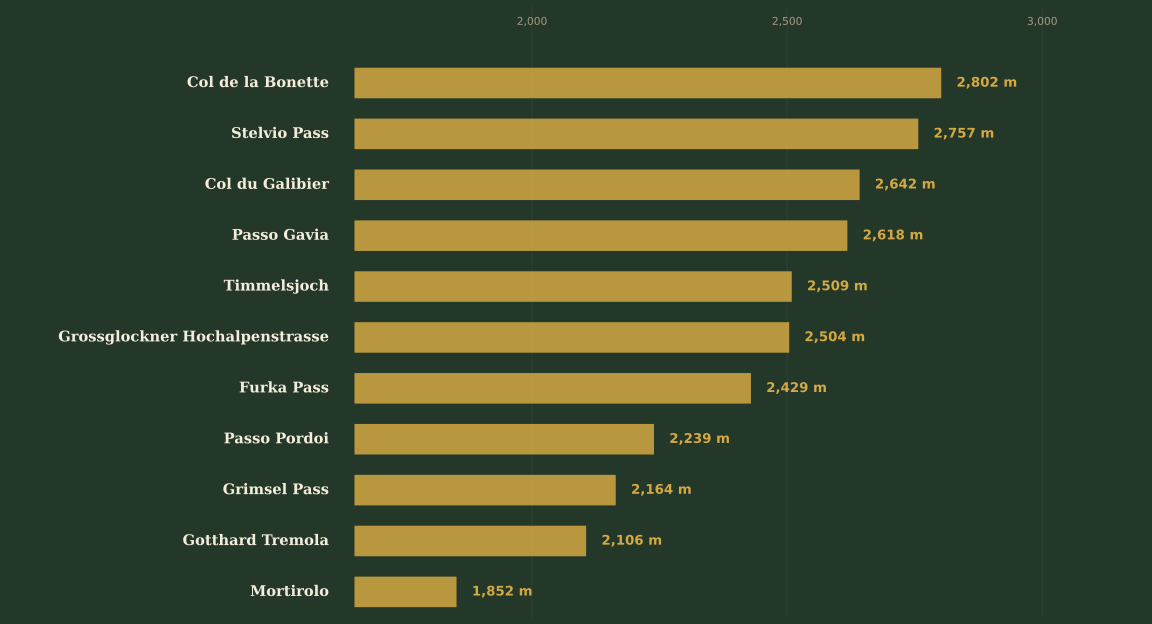
1. Col de la Bonette, 2,715 m (France)
The Col de la Bonette tops out at 2,715 m. A one-way loop road around the Cime de la Bonette climbs another 87 metres to 2,802 m, which is why the département signs the road as the "highest in Europe." Whether the loop counts as "the pass" is a matter of personal philosophy. Either way, the road is fully paved, open to traffic, and spectacularly lonely.
The north side from Jausiers is the classic approach: 26 km of steady climbing through a landscape that empties out above the treeline until there's nothing left but rock, sky, and the occasional marmot. The south from Saint-Étienne-de-Tinée is steeper but shorter.
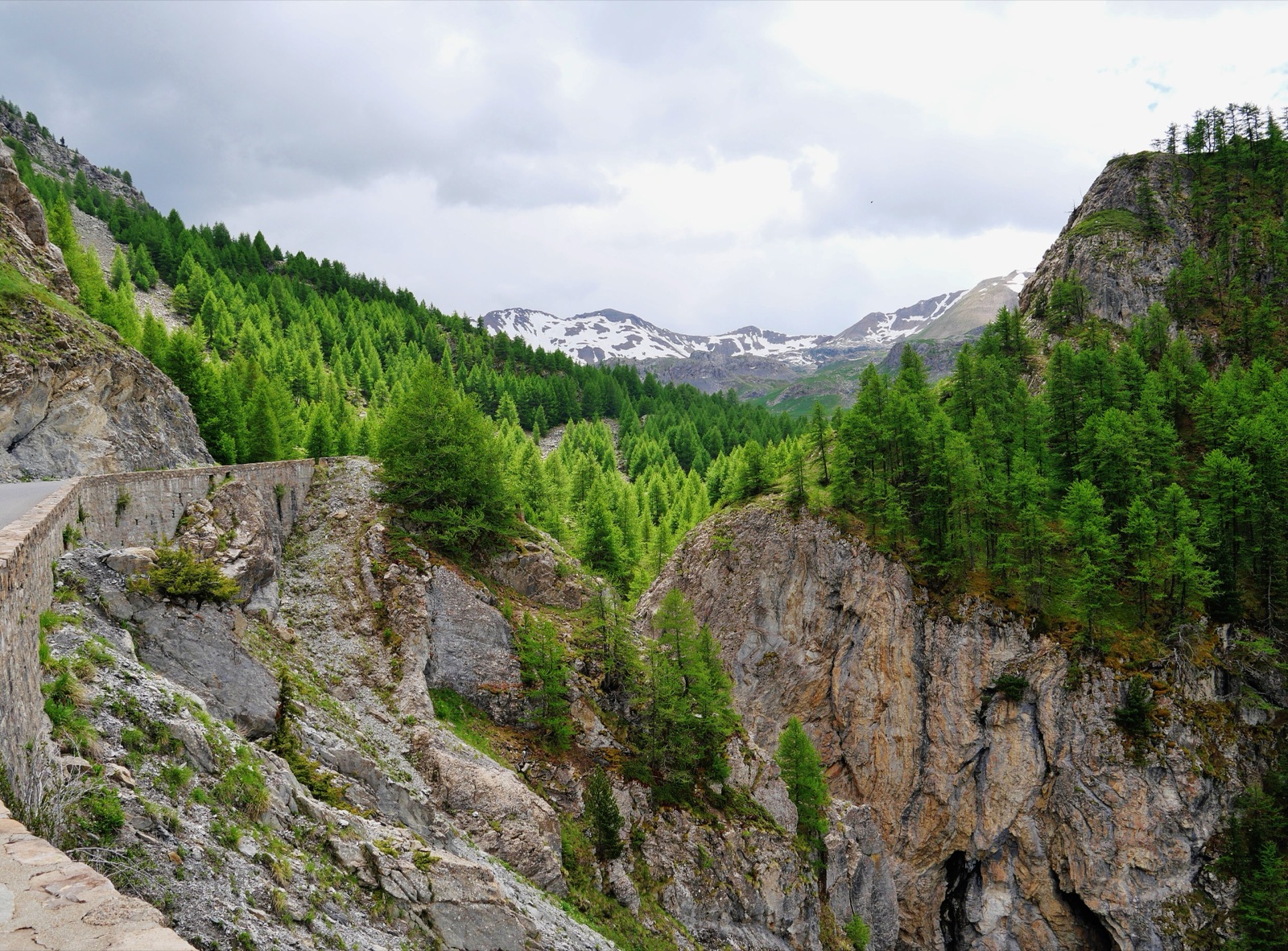 Photo: Zairon / Wikimedia Commons · CC BY 4.0
2. Col de l'Iseran, 2,764 m (France)
The Iseran sits between Val d'Isère and Bonneval-sur-Arc in the Savoie. It's the highest paved pass in the Alps that doesn't involve a loop road trick. A regular on the Tour de France route, most recently in 2019 when a hailstorm cut the stage short on the descent.
The south side from Bonneval is the better ride: a steady ramp through alpine pastures with almost no traffic outside of July and August. The north from Val d'Isère is busier and more developed, but the final kilometres above the ski resort feel properly remote.
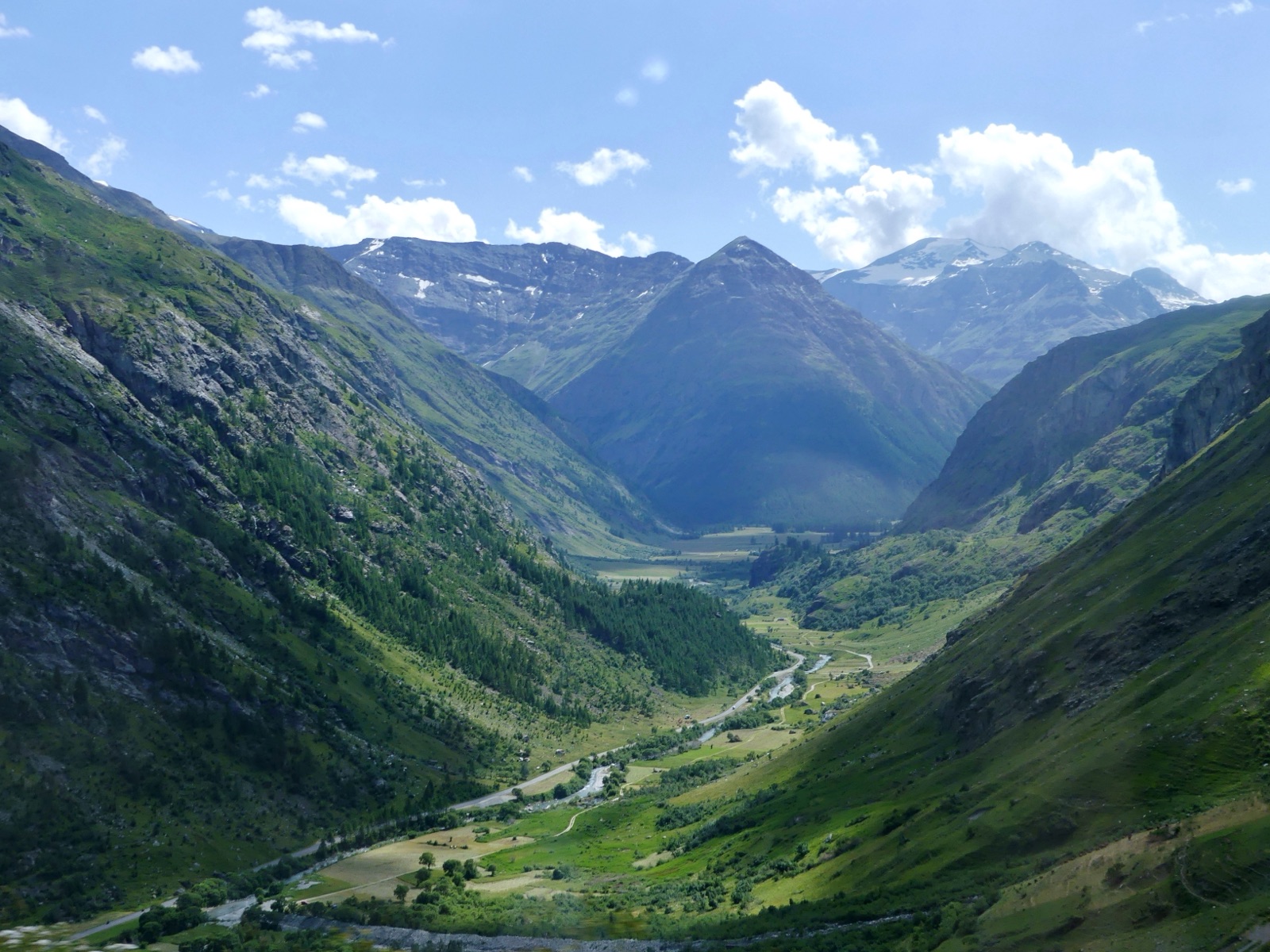 Photo: Florian Pépellin / Wikimedia Commons · CC BY-SA 4.0
3. Stelvio Pass, 2,757 m (Italy)
The Stelvio needs no introduction. Forty-eight numbered switchbacks from Prato allo Stelvio, visible from kilometres away, stacked against the mountainside like a diagram in a road-engineering textbook. It's the highest pass in Italy and it has been since 1825.
The east side is the icon. The west side from Bormio is shorter, steeper in places, and gets about a tenth of the Instagram traffic.
4. Col Agnel, 2,744 m (France / Italy)
The Col Agnel sits on the France–Italy border in the Cottian Alps, connecting the Queyras valley to Pontechianale. It's the third-highest paved pass in France and one of the least travelled of the top five. The climb from the French side is 20 km at an average of 6.5%, with the final ramp hitting 14%.
It's been on the Giro d'Italia four times and the Tour de France twice. Outside of race weekends, it's a ghost road.
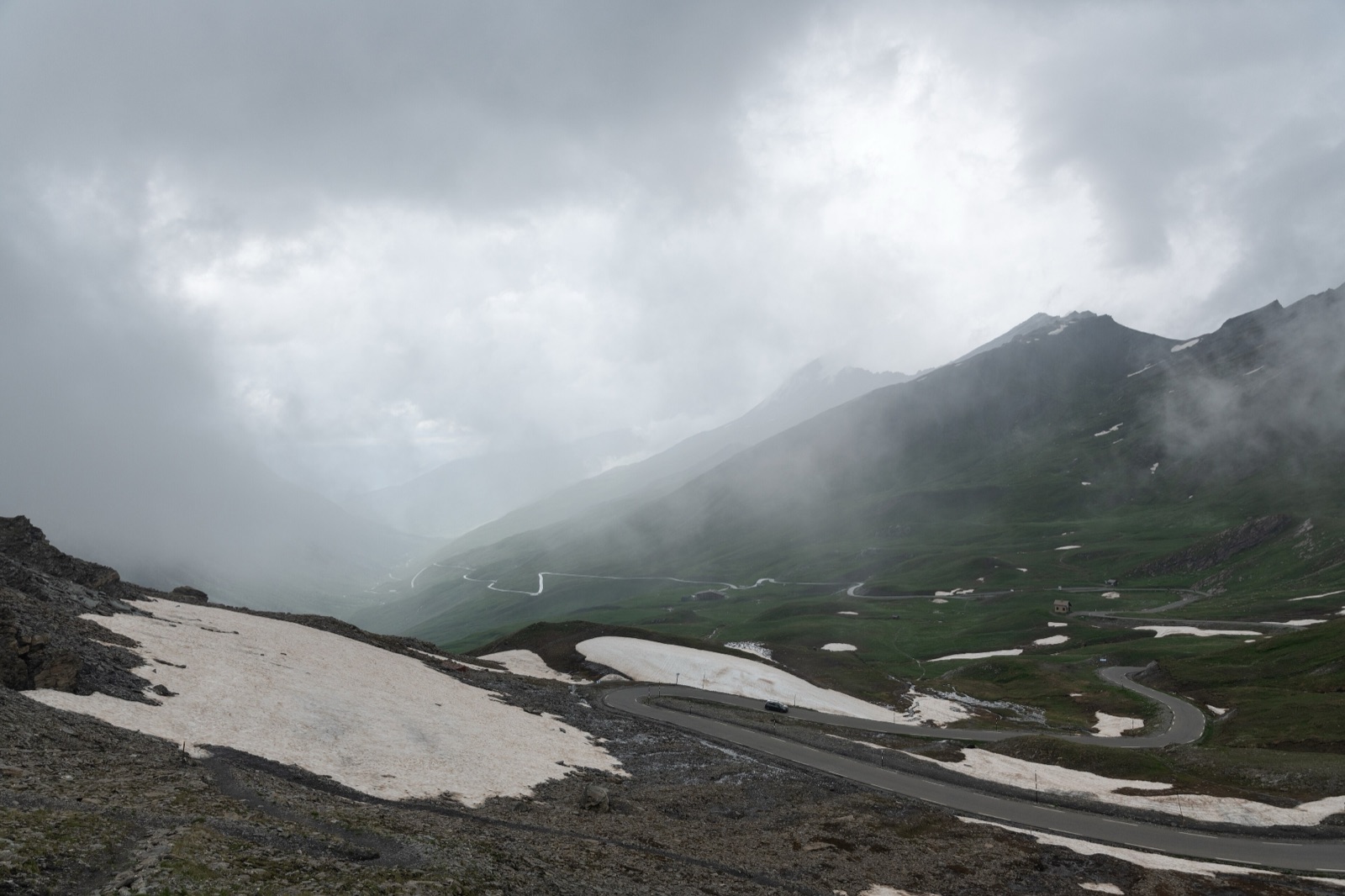 Photo: Giorgio Galeotti / Wikimedia Commons · CC BY-SA 4.0
5. Col du Galibier, 2,642 m (France)
The Galibier is the grande dame of Tour de France climbing. It's been crossed more often than any other pass in the race's history. The summit sits between the Maurienne valley and Briançon, with the monument to Henri Desgrange (founder of the Tour) marking the top.
The north side from Valloire is the classic. A long valley approach followed by a sharp ramp through the Plan Lachat before the final sweeping hairpins to the col. The south from Lautaret is shorter and more gradual, and connects directly to the Col du Lautaret's alpine botanical garden. A good excuse for a coffee stop.
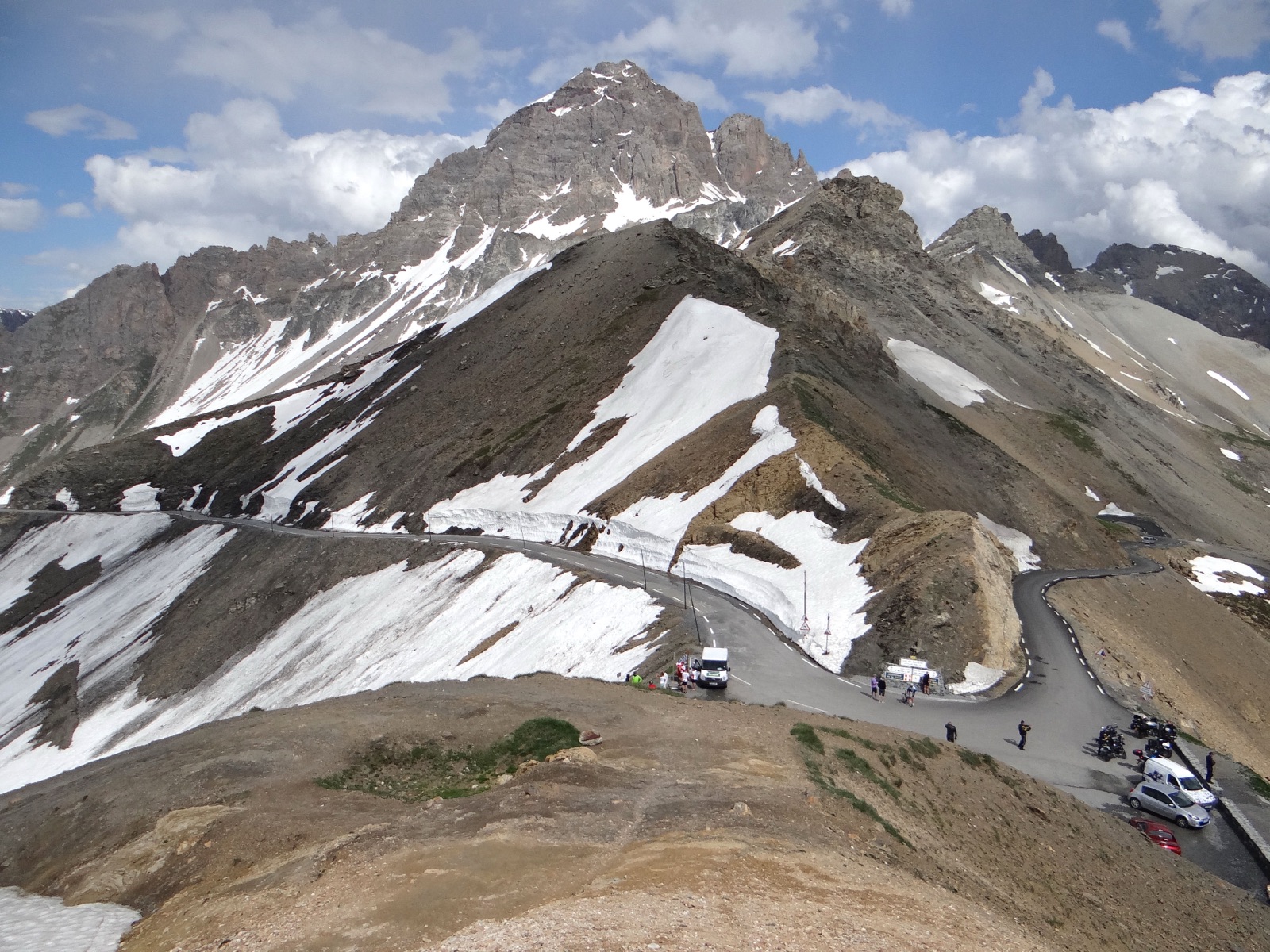 Photo: MOSSOT / Wikimedia Commons · CC BY-SA 3.0
Honorable mentions by country
The top five is dominated by France and Italy. A few other Alpine nations deserve a mention:
- Austria: the Grossglockner Hochalpenstraße tops out at 2,504 m (Hochtor tunnel), with a detour to the Edelweißspitze viewpoint at 2,571 m. The highest driveable point in Austria, and the most civilised high pass in the Alps.
- Switzerland: the Nufenenpass at 2,478 m is the highest paved pass entirely within Switzerland. A quieter alternative to the Furka and Grimsel on the other side of the range.
- Italy (second place): Passo Gavia at 2,621 m would sit at #6 if it qualified. Narrow, occasionally single-lane, and often used as a Giro d'Italia breaking point.


.JPG)

