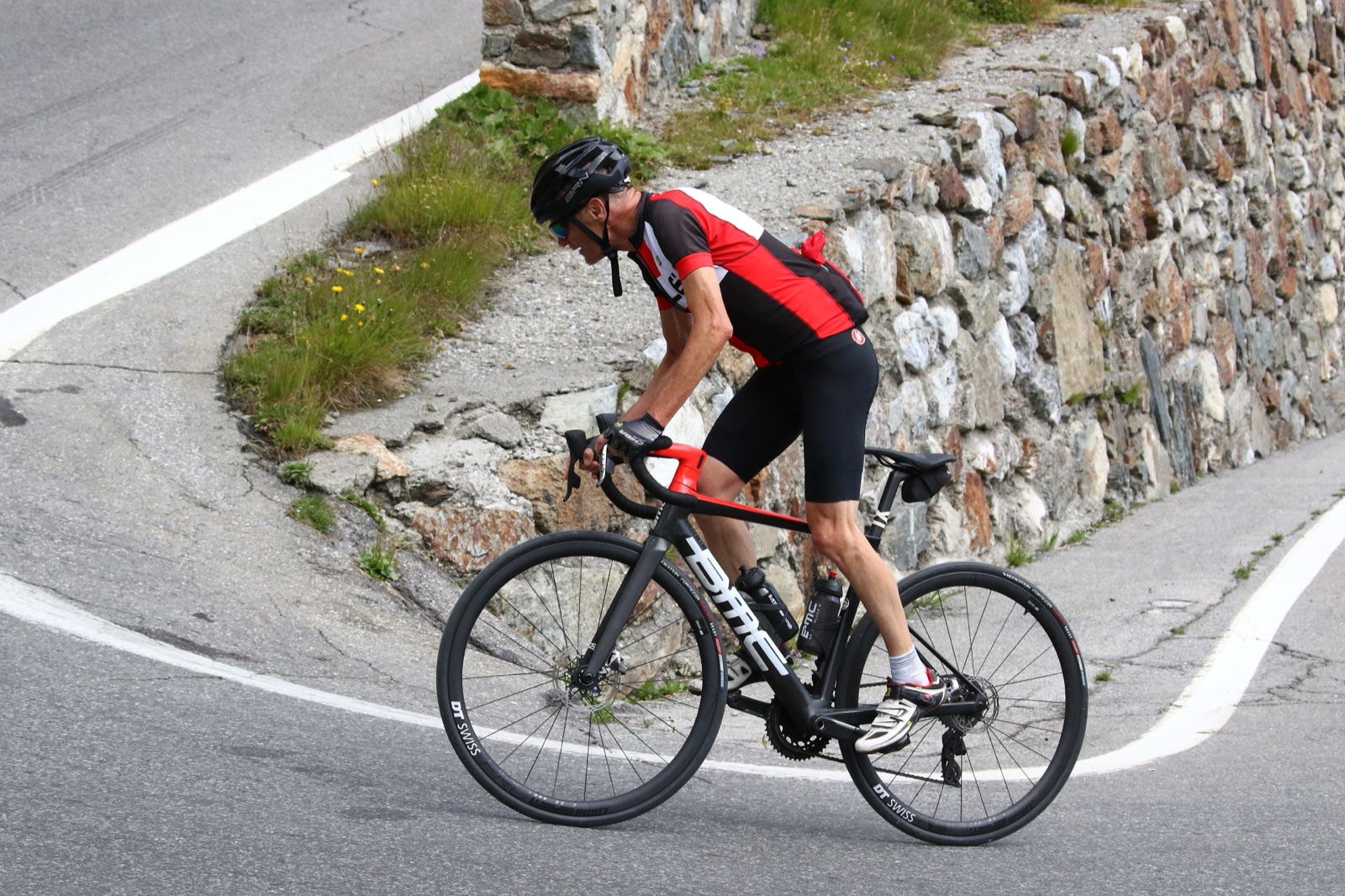
Motorcycle pass hunting in the Alps, a starter guide
Practical tips for motorcycle touring across Alpine passes. Route planning, gear, fuel, timing, and which passes to ride first.
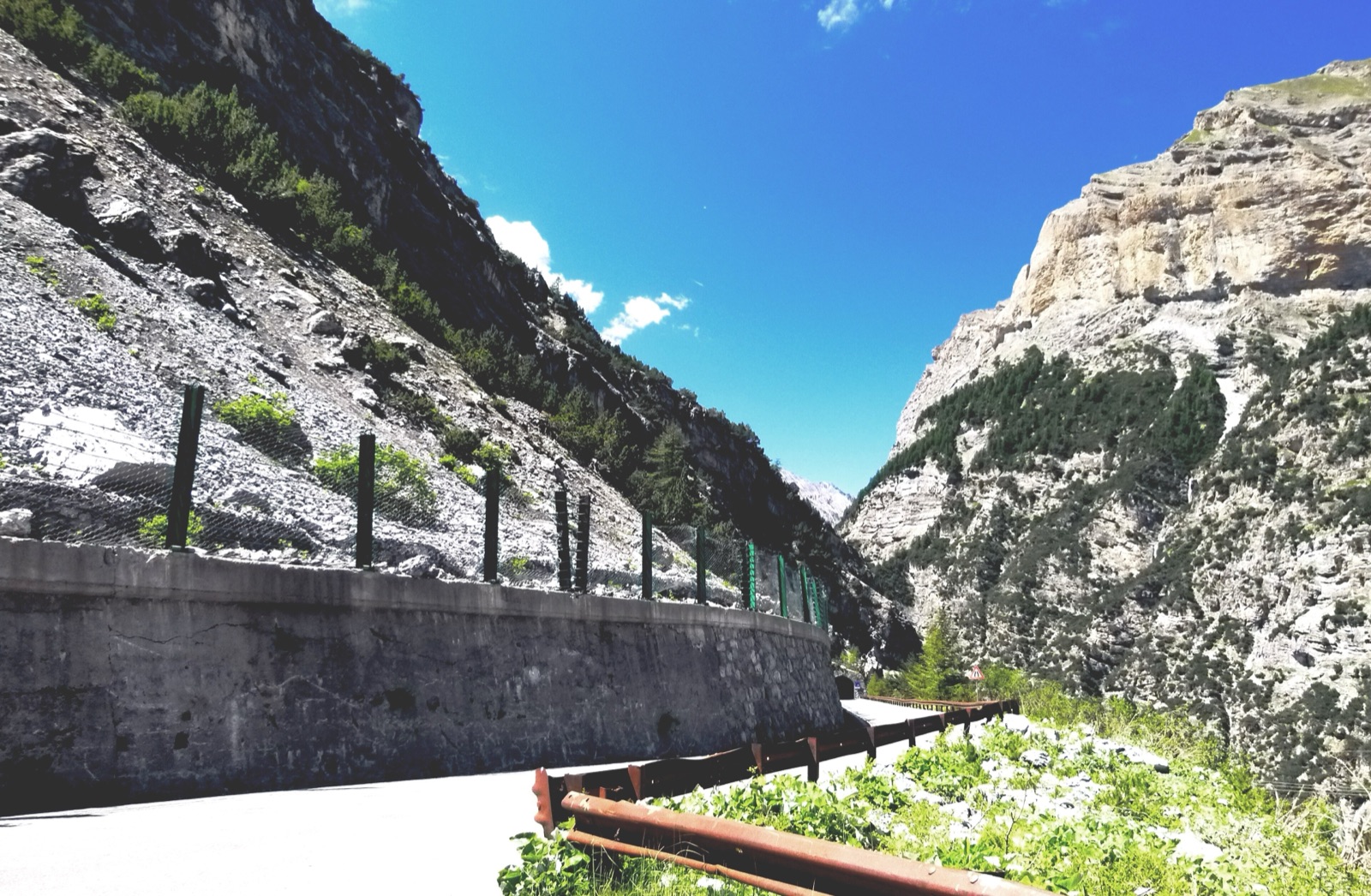
You have a week, a motorcycle, and a vague plan to ride over as many Alpine passes as possible. Here's what I've learned doing exactly that for the last several years from a base in the Tyrolean Alps.
Start with a loop, not a line
A-to-B routes look great on paper but you lose a day riding back or trailering home. The best Alpine motorcycle trips are loops that return you to your starting point. Three proven ones:
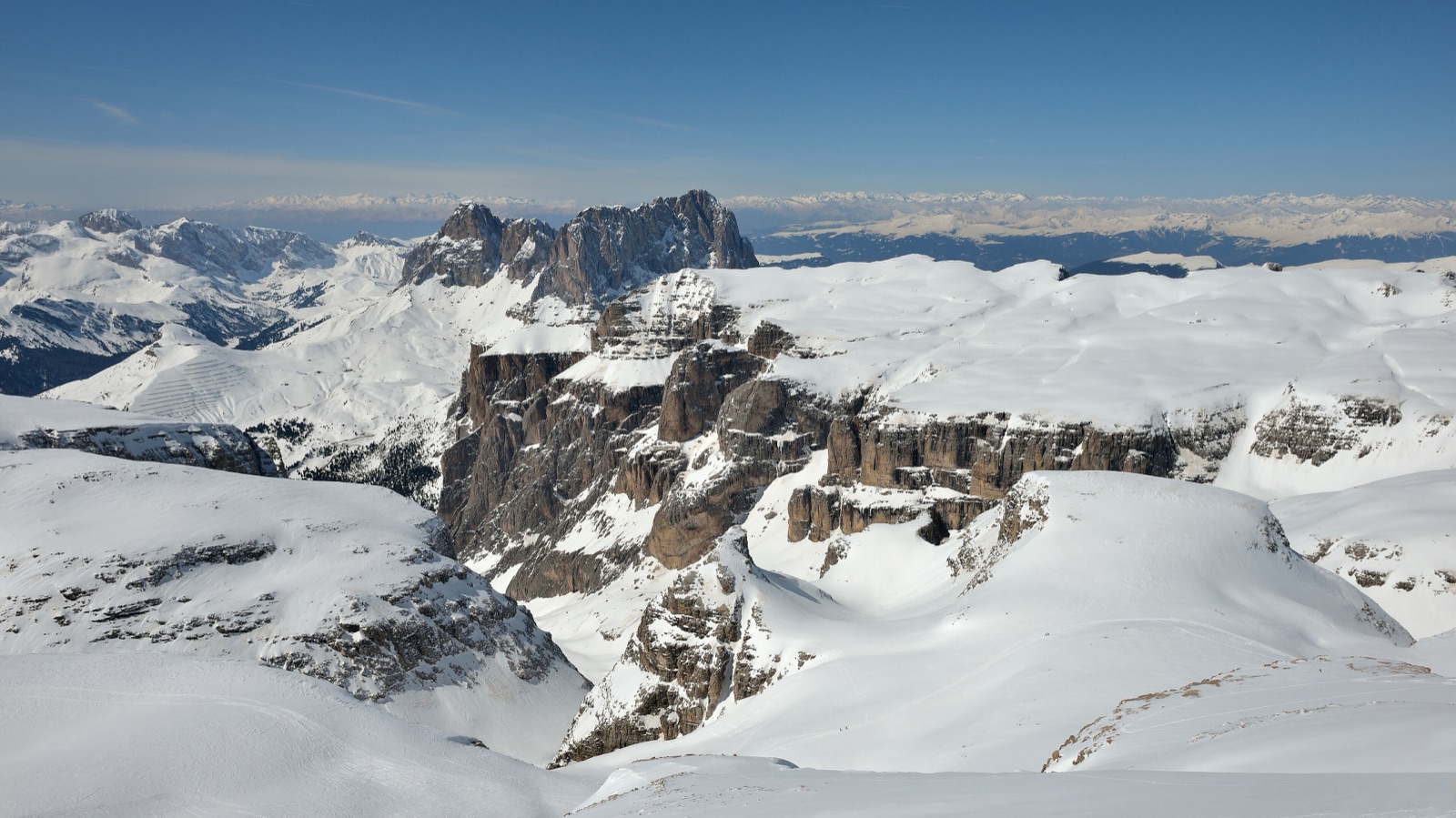
The Sella Ronda (Dolomites, 1 day). Passo Pordoi, Passo Sella, Passo Gardena, Passo Campolongo. 55 km, four passes, rideable in 3 to 4 hours. Start in Corvara or Canazei. The roads are wide, the gradients are gentle, and the views are absurd.
Stelvio, Gavia, Mortirolo triangle (Lombardy, 1–2 days). Three of the hardest passes in Italy in a tight loop from Bormio. The Stelvio has the switchbacks, the Gavia has the narrow single-track sections, and the Mortirolo has the gradients. Not for beginners.
Swiss Grand Tour segment (Central Switzerland, 2–3 days). Furka, Grimsel, Susten, Gotthard in a loop from Andermatt. Four passes, all above 2,000 m, connected by some of the best-maintained roads in Europe.
Timing
The best months are June and September. July and August are warmer but the roads fill up with campervans and tourist coaches, and overtaking a 12-metre motorhome on a switchback is no one's idea of fun.
Early morning is always better. The passes are quieter before 9 AM, the light is warmer, and you have the whole day ahead if weather turns. Most Alpine thunderstorms hit in the afternoon.
Fuel
Above 1,500 m there are almost no petrol stations. Fill up in the valley before you climb. A 200 km range should get you through most loops, but the Bonette, Iseran, Galibier triangle in France can stretch that if you're heavy on the throttle.
Gear
Even in July, it can be 5°C at 2,500 m. Bring layers you can add on the way up and strip on the way down. Rain gear is non-negotiable. Afternoon showers are more rule than exception.
Heated grips are a luxury below the treeline and a necessity above it.
The roads
Alpine pass roads fall into three categories.
- Showpiece toll roads (Grossglockner, Timmelsjoch). Wide, perfectly surfaced, expensive, scenic pull-offs every 500 m. Like riding through a tourism brochure.
- National roads (Stelvio, Galibier, Furka). Well-maintained but narrower. These are working roads, not attractions. You share them with trucks and buses.
- Provincial roads (Mortirolo, Gavia, Tremola). Narrow, sometimes rough, occasionally single-lane. The most rewarding riding but the least forgiving for mistakes.
What to log
This is where Mountain Passes comes in. The app runs in the background while you ride and logs every pass you cross via GPS. No stopping to check in, no taking your gloves off to tap a screen. At the end of the day, your passes are on the map and the vintage posters are in your collection.
For rides you've already done, export the GPX from your Garmin or phone and import it. The app detects the crossings retroactively.
The first pass
If you've never ridden an Alpine pass on a motorcycle, start with the Grossglockner. It's wide, smooth, well-signed, has proper run-off areas, and the views from Edelweißspitze will convince you to plan the next trip before you've finished the first one.
Passes in this post
- Stelvio Pass 48 switchbacks to 2,757 metres
- Gavia Pass cycling and road guide
- Mortirolo Pass 18% ramps and the ghost of Pantani
- Furka Pass 2,429 metres past the Rhône Glacier
- Grimsel Pass 2,164 metres through reservoir country
- Gotthard Pass (Tremola) 2,106 metres over cobblestones
- Grossglockner Pass (Hochalpenstrasse) 2,504 metres of 1930s engineering